
Technical SEO Services
Technical SEO Audits
Technical SEO Audits for teams that need clear priorities across crawlability, Core Web Vitals, structured data, and indexation.




Does This Sound Familiar?
-
Important pages exist, but Google spends time on duplicates, parameters, and low-value URLs instead.
-
Traffic stalls after redesigns, migrations, or template changes, and your team lacks a clear root cause.
-
Your site loads inconsistently across templates, which weakens rankings, UX, and conversion paths.
What Is Technical SEO Audits?
Technical SEO Audits help you find the crawl, rendering, and indexation issues that hold back strong pages. We combine Screaming Frog, Google Search Console, Ahrefs, and browser diagnostics to show what search engines see, what they miss, and what to fix first.
This service goes deeper than a checklist. We review canonical signals, XML sitemaps, redirects, JavaScript output, structured data, and log-level patterns that affect a technical SEO audit. We also connect those findings to rankings, page templates, and business priorities so the work leads to action.
Our audit process starts with a SEO services view of the whole site, then narrows into the templates that drive revenue or qualified leads. That often includes follow-on support from programmatic SEO services, ecommerce SEO services, or SaaS SEO services when technical issues affect multiple templates and growth paths.
For large sites, a site crawl audit alone rarely tells the full story. We compare crawl depth, internal links, render output, and coverage states in GSC to guide crawl budget optimization. We also trace how Core Web Vitals and site architecture SEO influence discoverability across categories, product pages, content hubs, and filtered URL patterns.
The outcome is practical, not abstract. You get prioritized findings, implementation notes, and a validation path your team can ship with confidence. We flag the issues that deserve immediate fixes and the ones you can schedule later. If you want to pressure-test your technical setup before a migration, growth push, or recovery plan, our guides to AI Overviews technical requirements and agentic protocol readiness show why crawlable, structured systems now matter beyond classic rankings. You can also book a free call for a scoped audit.
SEO Audit Companies
SEO audit companies are useful when a team needs an outside view of crawl, indexation, performance, and ranking risk. Winning SERP turns that audit demand into a prioritized technical roadmap, so fixes are tied to templates, revenue pages, and validation steps instead of a generic issue export.
Related: agentic protocol readiness
Website Optimization Agencies
Website optimization agencies often blend UX, speed, and search improvements, but technical SEO keeps the search signals clear. We focus on crawlable pages, clean status codes, structured data, and page experience improvements that help stronger content earn visibility.
Related: agentic protocol readiness
Voice Search Optimization
Voice search optimization depends on concise answers, structured entities, and technically accessible pages. Our audit process checks whether important content can be found, parsed, and trusted by search systems that power spoken and conversational answers.
Related: agentic protocol readiness
Industries We Serve
- Law Firms SEO Agency
- Healthcare SEO Agency
- Retail SEO Agency
- Tech Companies SEO Agency
- Contractors SEO Agency
Our Technical SEO Audits Roadmap
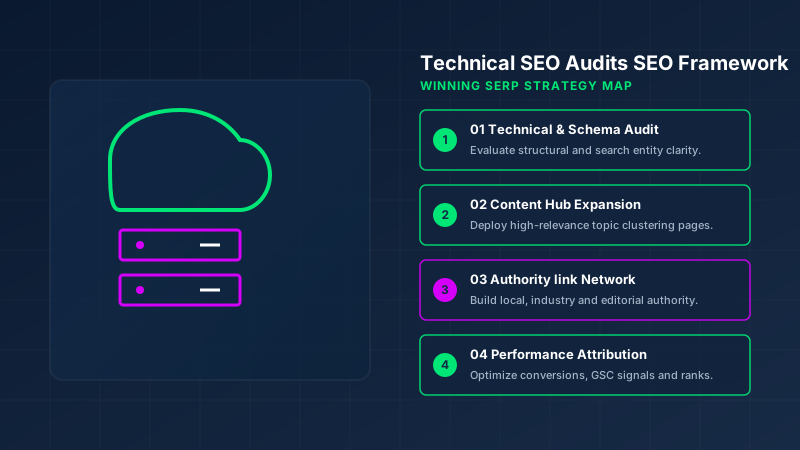
What You Get With Our Technical SEO Audits
- Annotated crawl export with redirect, canonical, and status code findings
- Indexation review across GSC coverage states and sitemap inclusion
- Core Web Vitals diagnosis by template and issue pattern
- Structured data audit with corrected JSON-LD recommendations
- Internal linking map for stronger site architecture SEO
- Priority matrix scoring issues by impact and implementation effort
- Developer-ready tickets with validation steps and acceptance criteria
How We Deliver Technical SEO Audits Results
-
Step 1
Crawl the Site and Confirm Indexation
We run a site crawl audit in Screaming Frog, review GSC coverage, and map which URLs search engines index or ignore. That surfaces blocked assets, duplicate clusters, redirect waste, and thin page patterns early.
-
Step 2
Diagnose Performance and Rendering Risks
We inspect Core Web Vitals, JavaScript rendering, template load patterns, and mobile bottlenecks across important page types. That helps us separate isolated page issues from system-level problems that drag down organic visibility.
-
Step 3
Prioritize Fixes by Impact
We group issues by revenue risk, implementation effort, and search impact so your team knows what to fix first. The final audit ties recommendations to crawl budget optimization, indexation quality, and measurable ranking stability.
-
Step 4
Validate Changes After Release
After fixes ship, we re-crawl key templates, review GSC trends, and confirm improved signals. That validation step catches regressions before unresolved technical debt spreads across the site.
Why Teams Trust Winning SERP
Search Behavior Expertise
We plan for multilingual queries, SERP intent shifts, and template risks before they dilute performance. That keeps scale grounded in how people actually search.
Technical-First Mindset
We fix crawl paths, indexation rules, and structured data before scaling page creation. That prevents weak templates from multiplying technical debt.
Transparent Reporting
You get KPI-tied reporting built around indexed pages, clicks, and qualified revenue signals. We explain what changed, why it matters, and what comes next.
Technical SEO Audits - Frequently Asked Questions
What does a technical SEO audit include?
A full technical SEO audit reviews crawlability, indexation, internal linking, structured data, page speed, rendering, and server response behavior. We use Screaming Frog, Google Search Console, Ahrefs, and browser diagnostics to confirm what search engines actually see. You get a prioritized issue list, evidence for each finding, and clear implementation guidance for developers or in-house marketers.
How long does a technical SEO audit take?
Most technical SEO audits take five to ten business days, depending on site size, template count, and access to logs or analytics. A small marketing site moves quickly, while large ecommerce or multilingual sites need deeper crawl reviews and validation. We scope the audit around your page inventory, technical risk, and how much verification you need before implementation starts.
Do you only report issues or help fix them too?
We do both. Some teams need a clean audit deck and developer-ready tickets, while others want direct implementation support after the findings land. We can write fix specs for canonicals, redirects, structured data, and Core Web Vitals issues, then re-crawl the site to confirm the changes improved indexation and crawl efficiency.
Which sites benefit most from technical SEO audits?
Technical SEO audits help any site with unstable rankings, weak indexation, or performance bottlenecks, but they matter most on sites with many templates or migration risk. Ecommerce catalogs, publishers, SaaS platforms, and lead generation sites often waste crawl budget or ship duplicate signals without noticing. An audit exposes those issues before they suppress stronger pages.
Ready to Start Your Technical SEO Audits Campaign?
Book a free 30-minute call - no pitch, just clarity on your rankings.